How does a clutch works?
What is a clutch?
A clutch is a mechanical device that connects and disconnects the engine from the transmission in a vehicle. It allows the driver to change gears and control the power flow from the engine to the wheels.
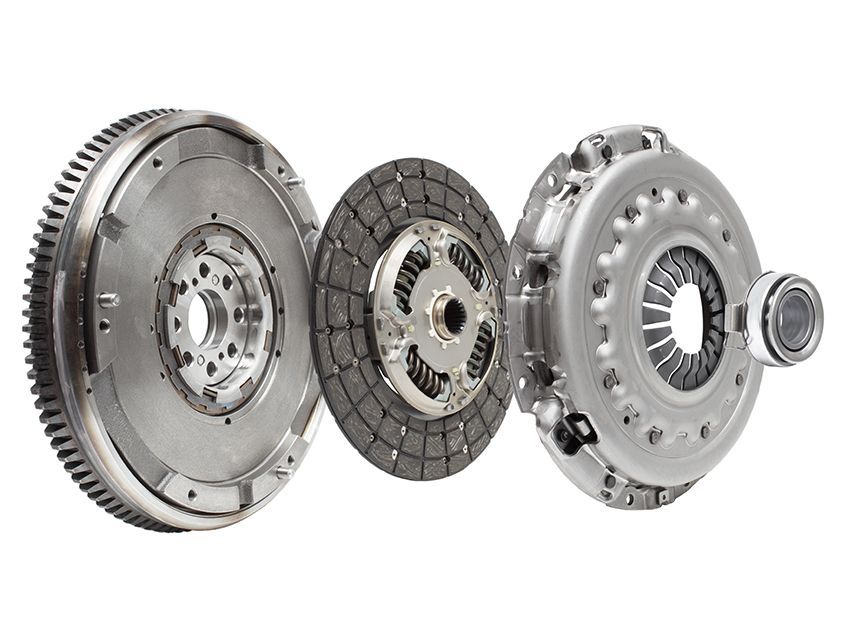
The clutch consists of several components, including a clutch disc, pressure plate, and flywheel. When the clutch pedal is pressed, it disengages the clutch, separating the engine from the transmission. This allows the driver to shift gears without causing damage to the transmission or stalling the engine.
When the clutch pedal is released, the clutch engages, connecting the engine to the transmission. The pressure plate applies pressure to the clutch disc, which is sandwiched between the pressure plate and the flywheel. This friction between the clutch disc and the flywheel allows the engine's power to be transferred to the transmission and ultimately to the wheels.
The clutch also has a release bearing, which pushes against the pressure plate when the clutch pedal is pressed. This releases the pressure on the clutch disc, allowing it to spin freely and disengage the engine from the transmission.
Overall the clutch works by using friction and pressure to connect or disconnect the engine from the transmission, allowing for smooth gear changes and control over the power flow in a vehicle.